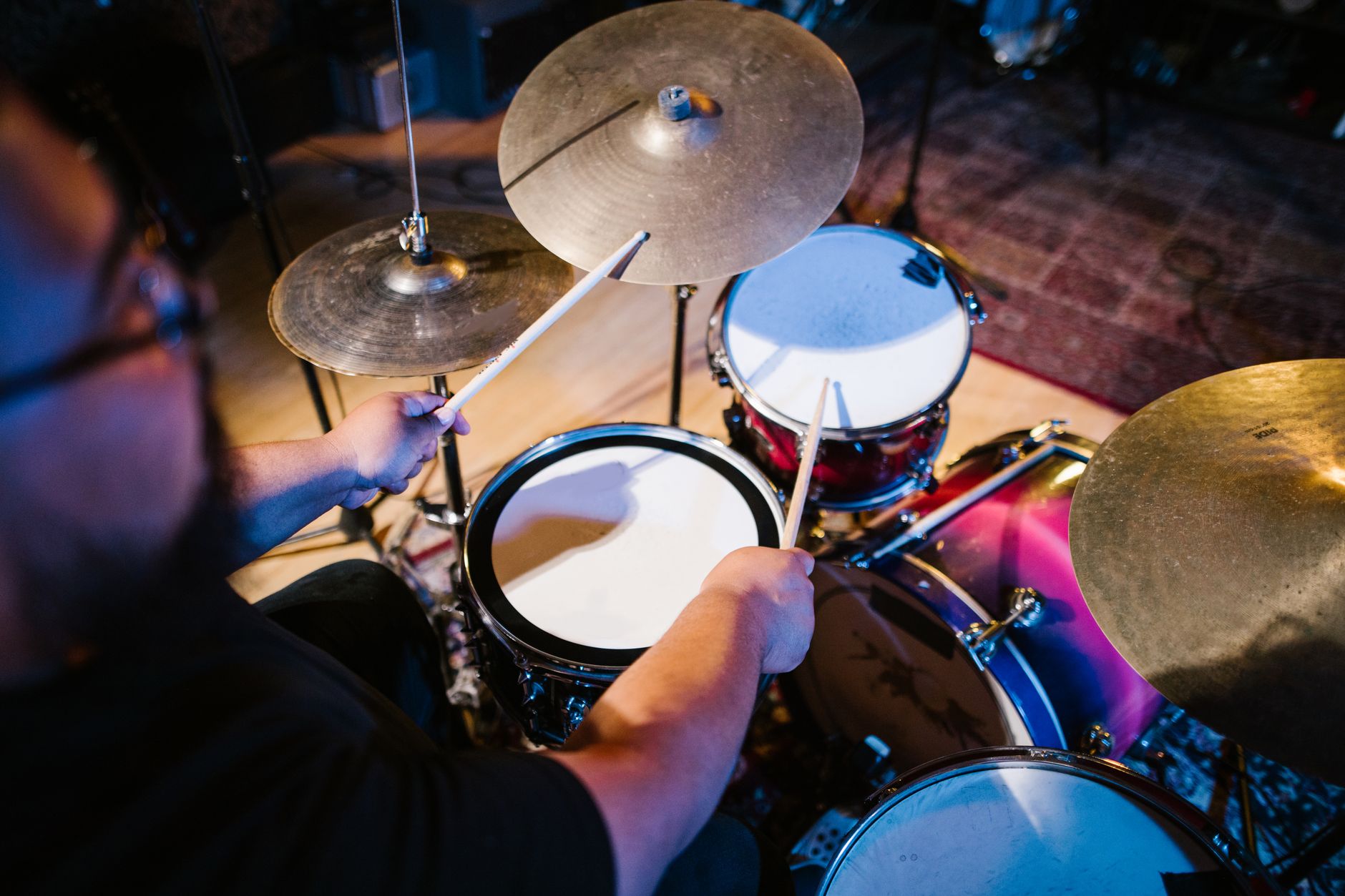
Live drums can lift a song in a way loops don’t always manage. You feel the push. You feel the breath. In Mugithi, Kikuyu gospel, benga, worship, Afro-fusion, even rap with a live feel, drums can make the track stand up properly.
But drums can also expose everything.
If the kit is badly tuned, the groove is rushing, the room is too live, or the drummer hasn’t rehearsed with the song, you’ll hear it. Not small small. Clearly. A weak drum recording can make the whole mix sound rough, even when the vocals are strong.
So let’s talk plainly. If you’re searching for a drum studio near me, or wondering whether your song really needs live drums, these are the questions I’d ask you in the control room before we press record.
Do I really need live drums, or can I use programmed drums?
Use live drums when the song needs human movement.
A real drummer brings small changes in touch, timing and energy. That’s useful for worship songs, Mugithi with live guitar, benga-style grooves, band music, and songs where the chorus needs to open up naturally. The drummer can listen to the singer and respond. That matters.
Programmed drums work well when the song needs a tight, modern, repeatable pocket. Many pop, gengetone, Afrobeat and rap tracks sit nicely with programmed drums because the groove is locked and controlled.
The mistake is forcing live drums into a song that doesn’t need them. Live drums are not automatically better. They’re just different. If the song wants space, don’t crowd it with fills. If the song wants drive, don’t leave it flat with a weak loop.
Ask this: does the song need a drummer’s feel, or just a rhythm foundation?
What should the drummer prepare before coming to studio?
The drummer should know the song like a band member, not like someone guessing in the room.
Before the session, agree on the structure. Intro, verse, chorus, bridge, ending. Everyone should know where the energy rises and where it relaxes. If the song has stops, breaks or call-and-response moments, mark them clearly.
For Kikuyu gospel and Mugithi, this is important because many songs breathe with the vocals. The singer may delay a line. The guitarist may answer. The drummer needs to understand that movement before recording.
Also decide the drum direction. Is it soft and supportive? Is it church service energy? Is it danceable? Is it a clean radio version with fewer fills? Don’t wait until the drummer is seated to start debating the identity of the song.
A studio is not the best place to discover the arrangement from scratch. It can happen, yes, but it eats time and usually weakens confidence.
Should we record drums before or after vocals?
Most times, drums come early in the production.
A good drum take gives the rest of the track a spine. Bass can lock to the kick. Guitar can sit with the snare. Vocals can ride the groove. If the drums are unsure, everything recorded after them feels unsure too.
But there are songs where a guide vocal helps the drummer. Especially in gospel, acoustic Mugithi, or emotional songs where the drummer needs to follow the singer’s phrasing. In that case, we record a simple guide vocal and guide instrument first. Not final. Just enough for the drummer to feel the song.
The final vocal usually comes after the rhythm bed is stable. A singer performs better when the groove is already carrying them.
What is a click track, and must we use it?
A click track is a timing guide in the headphones. It keeps the song steady.
Do you always need it? Not always. But you need a timing plan.
Some traditional-feel songs can breathe naturally without sounding wrong. A live worship song may push slightly as the energy rises. Some Mugithi grooves feel better when they are not too stiff.
Still, if the song will have added guitars, keyboards, percussion, backing vocals or edits later, a click can save you stress. It makes the session cleaner. It helps the mix. It helps the producer arrange without fighting timing issues.
The drummer should practise with a click before the session if the song needs one. Don’t make the first click experience happen inside the booth. That’s how panic enters the headphones.
Why does drum tuning matter so much?
Because microphones hear more than your ears in the room.
A drum may sound acceptable when you’re standing next to it, but under close microphones, every ring, buzz and loose head becomes bigger. The snare may choke. The toms may sing in the wrong key. The kick may sound like a carton instead of a drum.
Tuning is not decoration. It’s part of the recording tone.
Before recording, the kit must be checked. Kick, snare, toms, cymbals, pedals, stands. If something rattles, it will probably appear in the take. If the snare wires are too loose, the backbeat loses focus. If cymbals are too harsh, they can dominate the whole recording.
A good engineer can shape sound, but mixing cannot fully rescue a badly tuned kit played without control.
What does the engineer listen for during drum recording?
We listen for tone, balance, timing and feel.
Tone means the drums sound right at the source. The kick has weight. The snare has character. The cymbals don’t tear your ears. The toms speak clearly.
Balance means the drummer controls their own hands and feet. If the cymbals are too loud and the snare is too soft, the microphones will capture that problem. You can’t mix discipline into a performance after the fact.
Timing means the groove is steady enough for the song. Not robotic, just reliable.
Feel means the drums are serving the message. A sad worship song doesn’t need busy fills everywhere. A danceable Mugithi track needs movement, but not chaos. The drummer must play the song, not audition for attention.
Can we fix drum mistakes by editing?
Some mistakes can be edited. Not all should be.
If the take has good feel with a small issue, editing may help. But if the groove is unstable throughout, editing becomes surgery. The more you cut, shift and repair drums, the more you risk losing the natural flow.
Drums have microphone bleed. That means the snare is not only in the snare mic. It is also heard in other microphones around the kit. So when you move one hit, you may affect the whole picture.
That’s why performance matters. It’s better to record a solid, musical take than to depend on repair work later.
What should the rest of the band do during drum recording?
Support the drummer.
If possible, give the drummer a guide track that feels alive. Guitar, bass, keys or vocal can help. The guide doesn’t have to be perfect, but it must be clear and in time.
Don’t crowd the room with opinions after every take. Too many voices can confuse the drummer. Choose who gives direction. Usually the producer, band leader or main artist speaks, then the drummer adjusts.
Also, don’t change the arrangement every few minutes. If the drummer keeps learning new turns during recording, the performance becomes careful instead of confident.
How do we keep live drums from making the mix muddy?
Start with arrangement.
Mud often comes when every instrument is fighting in the same space. Kick, bass guitar, low keyboard, rhythm guitar and deep vocals can all pile up. Live drums make that more obvious.
The drummer should leave room for the bass. The bass should lock with the kick, not compete with it. Guitars should support the groove instead of strumming heavily all the way. In Mugithi and benga-influenced music, the guitar patterns are important, so the drums must create space for that movement.
In mixing, we use EQ, compression and panning to shape the drum sound. Plainly, EQ removes or boosts certain tones, compression controls loud peaks, and panning spreads sounds left and right. But the cleanest mix begins with players listening to each other.
What is the biggest mistake artists make with live drums?
They treat drums as an add-on instead of a foundation.
They finish a song with programmed drums, then decide late that live drums will make it “bigger”. Sometimes it works. Often, the live drummer is forced to fit into a track that wasn’t built for them.
If you want live drums, plan for them early. Leave space. Think about the groove. Let the drummer influence the energy. That’s how you get a track that feels played, not patched together.
Live drums are not about noise. They’re about movement, discipline and feel.
If you’re planning a drum recording session, come with the song structure ready and we’ll help you shape the sound from there.
Leave a Reply