Category: Recording Tips

Guides for artists recording at Studio 56 KE and anywhere else.

  • How to Budget for a Nairobi Studio Session Without Killing the Song

    How to Budget for a Nairobi Studio Session Without Killing the Song

    Many artists walk into a studio with pressure already sitting on their chest.

    You’ve saved some money. Maybe the producer has given you a rate. Maybe your friends are asking when the song is dropping. Maybe you’re coming from work, from school, from a church rehearsal, from a Mugithi gig, or from hustling in town the whole day. You don’t want to waste time. You also don’t want to rush and leave with a song that sounds unfinished.

    That’s the real budget problem in Nairobi music.

    It’s not just, “How much does the studio cost?” It’s, “How do I use the money I have wisely, so the song still carries feeling, clarity and replay value?”

    Let’s talk about it properly.

    Start with the song, not the studio rate

    Before asking for a price list, ask yourself what kind of song you’re making.

    A rap freestyle over a ready beat is not the same as a Kikuyu gospel song with live guitar, backing vocals and harmony ideas. A Mugithi track with that one-man guitar feel is not the same as a full band arrangement. A soft acoustic session is not the same as a heavy club record with layered ad-libs and vocal effects.

    The more moving parts your song has, the more studio time it may need.

    This doesn’t mean simple songs are cheap songs or weak songs. Some of the strongest records are simple. But simplicity must be planned. If you come in saying, “Tutaskia tukifika,” you’re asking the session to become rehearsal, writing, production, vocal coaching, recording and editing all at once.

    That’s where budgets start bleeding.

    A good studio session should serve the song. So before you book, know the basic shape:

    What is the message?
    Who is singing which part?
    Is the beat ready?
    Are the lyrics finished?
    Do you need live instruments?
    Do you need help arranging the song?
    Are you recording for release, demo, TikTok, church, radio, YouTube or a private project?

    Those answers affect cost more than many artists realise.

    Know what you’re actually paying for

    When artists search for a recording studio price list in Kenya, they often expect a simple answer. Pay this, get song. But studio work is not just pressing record.

    You may be paying for recording time, production, beat making, vocal editing, mixing, mastering, session musicians, backing vocal arrangement, file exports, revisions or even guidance on song structure.

    Let me translate that into normal language.

    Recording is capturing your voice or instrument cleanly.
    Production is shaping the sound and arrangement.
    Editing is cleaning timing, tuning issues and small mistakes.
    Mixing is balancing everything so the vocal, drums, guitar, bass and effects sit together.
    Mastering is the final polish so the song plays well across platforms and sound systems.

    If someone quotes you, ask what is included. Not in a suspicious way. Just be clear.

    A low rate that only covers recording may be fine if you already have a strong beat and you’ll mix elsewhere. But if you expect full production, vocal arrangement, mix and master from the same money, you need to say that early.

    Misunderstanding is expensive. Clarity saves everyone stress.

    Don’t spend studio time writing lyrics from scratch

    This is where many Nairobi artists lose money quietly.

    You arrive with a vibe but no finished lyrics. The first hour goes into finding lines. Then you start changing the chorus. Then your friend in the room says the second verse needs more punch. Now the engineer is waiting, the mic is on, and the clock is moving.

    Writing in the studio can work, especially for experienced artists. Some musicians create well under pressure. But if your budget is tight, don’t depend on pressure to save you.

    Write before the session. Rehearse before the session. Record a rough voice note on your phone and listen back. If you’re doing Kikuyu lyrics, check pronunciation, phrasing and meaning. If it’s gospel, make sure the message is clear and not just nice-sounding words. If it’s rap, test whether your breath can carry the verse without choking the delivery.

    A studio exposes what rehearsal hides.

    When you come prepared, we spend time improving the performance, not discovering the song from zero.

    Budget for the boring things too

    Artists like budgeting for the exciting part: the booth, the beat, the final master. But the boring things can affect the final sound.

    Transport matters. If you arrive tired, late and hungry, your voice will show it.
    Food matters. Singing on an empty stomach is not bravery.
    Sleep matters. A worn-out voice won’t give you clean emotion.
    Reference songs matter. They help the producer understand the direction faster.
    Communication matters. Sending files late can delay the whole process.

    If you’re bringing a guitarist, backing vocalist or band member, plan for them properly. Don’t assume people will wait the whole day with no structure. Nairobi traffic alone can humble even the best plan.

    Also, don’t bring a crowd unless they have a clear role. Friends can bring energy, yes. But they can also turn the control room into a baraza. Too many opinions can waste time and shake your confidence. Bring people who help the song, not people who just want to witness.

    Cheap can become expensive if you have to redo everything

    I understand budget pressure. We’re in Kenya. Artists are funding music from salaries, side hustles, chama savings, church support, gigs and sometimes pure faith. Nobody should shame you for asking about cost.

    But there’s a difference between affordable and careless.

    If the vocal is recorded badly, mixing can’t fully rescue it. If the room is noisy, the noise may stay inside the track. If the beat is distorted before recording starts, the final master won’t magically become clean. If the timing is loose everywhere, the song may feel amateur even after effects are added.

    A cheap session becomes expensive when you pay again to fix what should have been handled at the source.

    So when comparing studios, don’t only ask, “How much?” Ask:

    Will I get clean vocal recording?
    Will someone guide my performance?
    Can I hear previous work in a similar style?
    Is mixing included or separate?
    How are revisions handled?
    Will I receive the final files I need?

    Good questions protect your budget.

    Decide what must be excellent and what can wait

    Not every artist can do everything at once. That’s real.

    So prioritise.

    If your song is vocal-led, spend energy getting the vocal right. A strong vocal performance can carry a simple beat. If it’s a live Mugithi or benga-inspired track, the guitar tone and groove must feel alive. If it’s worship, the emotion and clarity of words matter deeply. If it’s gengetone, drill or hip hop, the pocket, attitude and vocal texture need attention.

    You may not need the most complex arrangement. You may not need many layers. You may not need every effect you heard on an international record.

    But you do need a clean recording, a confident performance and a mix that doesn’t fight the song.

    That’s the foundation.

    Leave space for mixing and mastering

    Many artists spend the whole budget on recording and then treat mixing like a small afterthought. That’s risky.

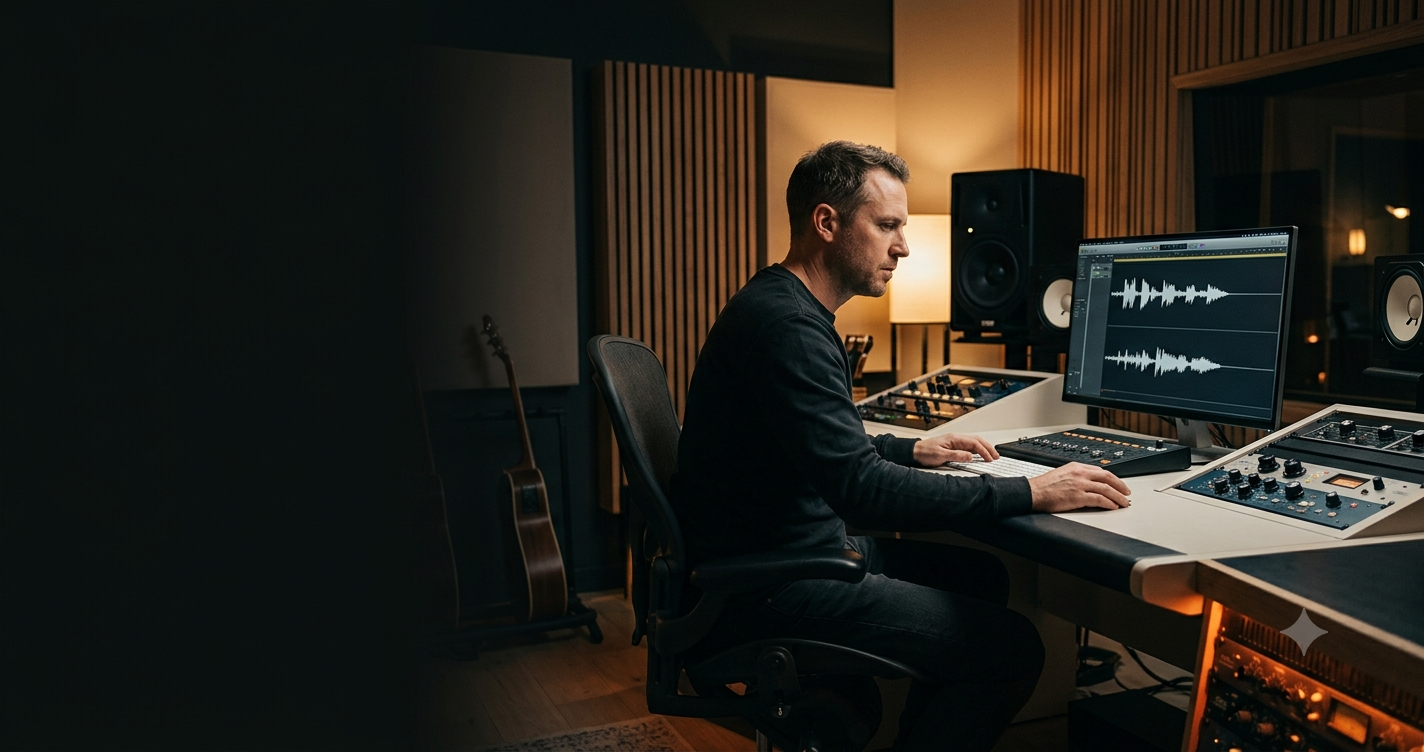
    The recording session gives us the raw material. Mixing shapes it. This is where the lead vocal finds its place, backing vocals stop clashing, bass stops swallowing the kick, and harsh frequencies are controlled. In simple words, mixing helps the song feel like one record instead of separate pieces playing together.

    Mastering comes after that. It prepares the final song for release. It doesn’t replace a good mix. It finishes it.

    If you already know you want to release properly, don’t budget as if recording is the end. Leave room for the finishing stage. A song that is well recorded but poorly finished can struggle to connect, especially when played next to other tracks on streaming platforms, radio, DJ sets or YouTube playlists.

    Ask for a clear plan before the session starts

    A serious session needs a plan. Not a rigid one, but a working one.

    Before recording, agree on what you’re trying to finish. Maybe it’s vocals only. Maybe it’s full production. Maybe it’s a demo to test the song. Maybe it’s a final master for release.

    That decision changes how the engineer works.

    If we know it’s a demo, we won’t waste time polishing every breath. If we know it’s the final release, we’ll listen harder for tuning, tone, emotion, arrangement and mix decisions. If live instruments are involved, we’ll plan the order properly so players don’t sit around waiting.

    The best budget is not always the biggest one. It’s the one with the least confusion.

    Spend where the listener will feel it

    Your listener doesn’t care how stressful the session was. They hear the final song.

    They hear whether your voice is clear.
    They hear whether the chorus lands.
    They hear whether the groove feels good.
    They hear whether the song sounds finished.
    They hear confidence, or the lack of it.

    So spend your money where it reaches their ears.

    Prepare well. Communicate clearly. Don’t rush the important parts. Don’t overbuild the song just to feel like you used the studio fully. Sometimes removing clutter is the move. Sometimes singing the line again with better feeling beats adding another harmony.

    A Nairobi studio session should not feel like gambling. With a clear song, honest budget and proper guidance, you can make choices that protect both your pocket and your music.

    If you’re planning a session, talk through the song first, then book the room.
  • How to Record Clean Voice-Over Audio in the Studio

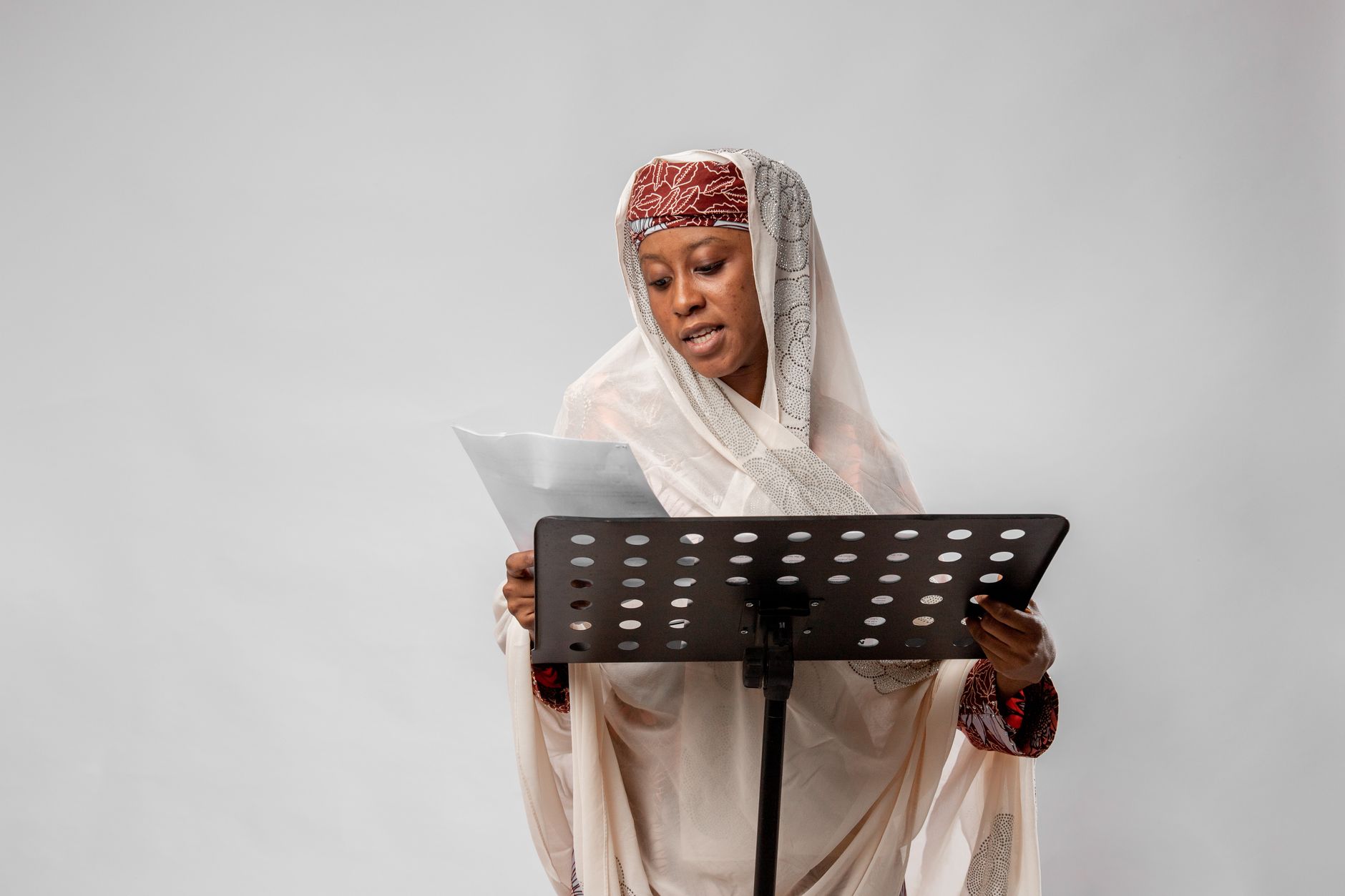
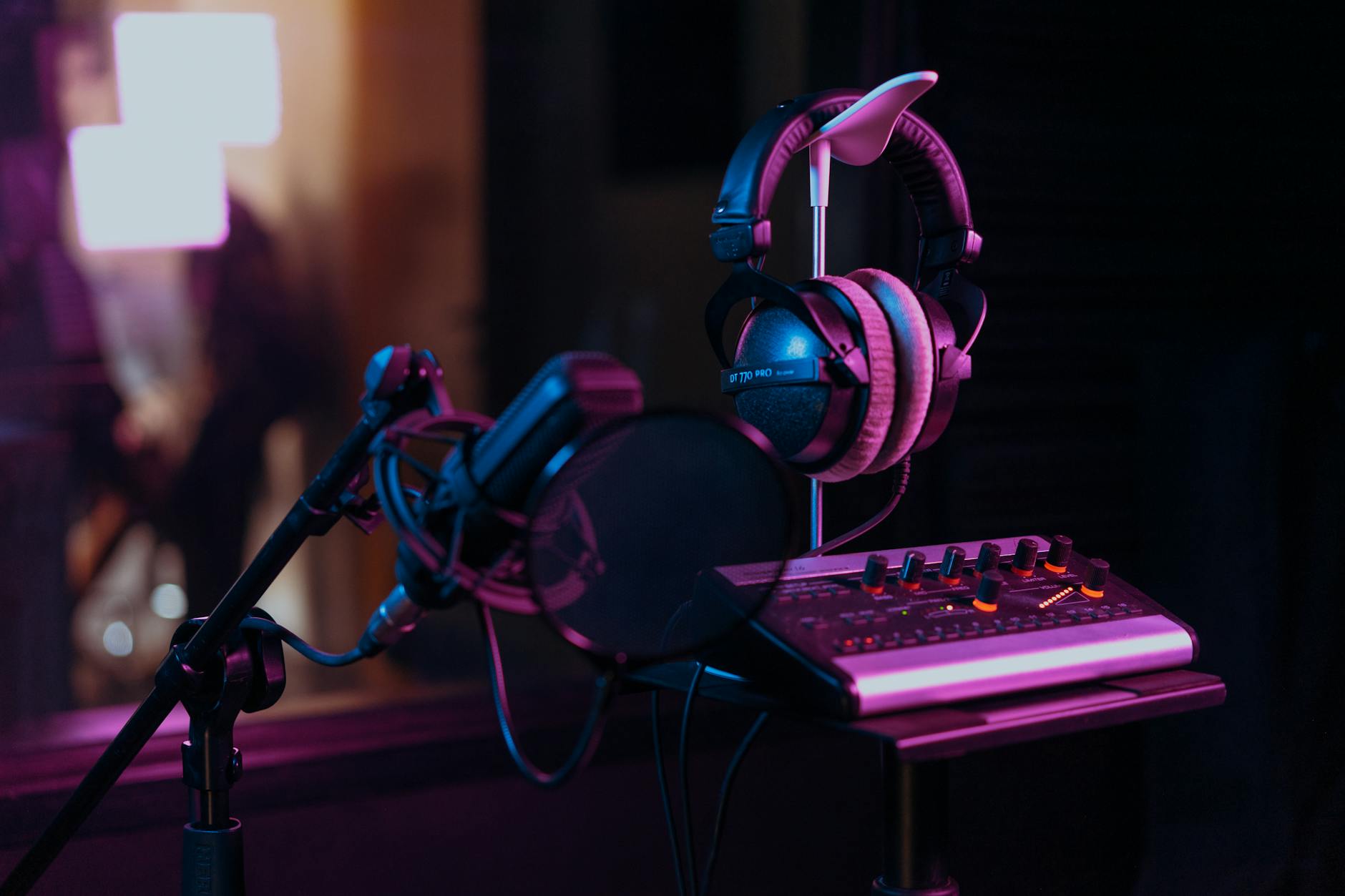
    How to Record Clean Voice-Over Audio in the Studio

    A voice-over can look simple from outside.

    You walk into the booth, read the script, collect the file, and go home.

    Then you listen later and something feels wrong. The voice is clear, but not warm. The words are there, but the energy is flat. Some lines jump out, others disappear. You hear mouth clicks, breath noise, room echo, or that “inside a box” sound that makes even a good speaker sound unfinished.

    That’s the thing with voice-over. It exposes everything.

    In music, a weak word can hide behind drums, guitar, keys or backing vocals. In voice-over, there’s nowhere to hide. It’s just your voice, the room, the mic, and the message.

    Whether you’re recording a radio advert, YouTube narration, church announcement, corporate script, documentary, podcast intro, Kikuyu narration, or an IVR phone prompt, the goal is the same: clean speech that feels human and easy to understand.

    Let’s walk through how we approach it in the studio.

    Start with the message, not the microphone

    Many speakers worry first about the mic.

    “Which mic are you using?”

    That question matters, yes. But before the mic, we need to understand the job of the voice.

    Is it meant to sell? Teach? Comfort? Warn? Welcome? Tell a story? Sound like a serious institution? Sound like a neighbour talking to you?

    A bank advert and a Mugithi event promo don’t need the same delivery. A funeral tribute, a gospel concert announcement, and a YouTube documentary narration all sit in different emotional places.

    So before recording, read the script like a listener. Mark the words that carry meaning. Notice where the sentence naturally breathes. If every line is pushed with the same energy, the listener gets tired. If everything is too soft, the message loses authority.

    Good voice-over is not just reading well. It’s guiding the listener.

    The room is part of the recording

    A good studio room doesn’t just keep noise out. It controls reflections.

    Reflections are the small echoes that bounce from walls, glass, floors, tables and ceilings back into the mic. You may not notice them while speaking, but the mic hears them. That’s what gives many home recordings that hollow sound.

    For music, a bit of room tone can sometimes add life. For voice-over, too much room sound fights the words. The listener should focus on the message, not the room you recorded in.

    In the booth or vocal area, we listen for three things:

    The voice should feel close.

    The words should stay clear.

    The room should not speak louder than the person.

    That’s why mic placement and room treatment matter. You don’t want a dead, lifeless sound either. You want controlled sound. There’s a difference. A dead recording can feel squeezed. A controlled recording feels natural, but focused.

    Mic distance changes the whole tone

    Move too close to the mic and the voice can become boomy. Plosives also become a problem. Those are the hard bursts from letters like “p” and “b” that hit the mic like small wind.

    Move too far and the room comes in. The voice gets thinner, less direct, and less intimate.

    So we find a working distance that suits the voice. A deep male voice may need a different position from a bright female voice. A soft narrator may need a different approach from a loud advert voice.

    The pop filter helps, but it doesn’t fix everything. Good technique still matters.

    Instead of speaking straight into the centre of the mic like you’re blowing into it, a slight angle can help reduce harsh air blasts. You still sound present, but the mic doesn’t get attacked by every consonant.

    This is one of those small habits that saves time later. If we record badly, mixing becomes repair work. If we record well, mixing becomes polishing.

    Headphone volume affects performance

    This one surprises many people.

    If your headphones are too loud, you may start speaking too softly. If they’re too low, you may push too hard. If there’s too much of your own voice in the headphones, you may become self-conscious. If there’s too little, you may lose control.

    For voice-over, comfort matters. You need to hear yourself clearly, but not so much that you start performing for the headphones instead of the listener.

    Some speakers prefer one ear slightly open. Some want both ears covered. Some need a little playback before they settle. There’s no shame in that. A studio session is not an exam. It’s a controlled space to get the best performance.

    Record clean, don’t over-process on the way in

    There’s a temptation to make the voice sound finished while recording.

    Heavy compression. Strong EQ. Big radio tone.

    Careful.

    Compression reduces the difference between loud and soft parts. Used well, it keeps speech steady. Used badly, it makes the voice sound squeezed, noisy and tiring.

    EQ shapes tone. Used well, it clears mud and softens harshness. Used badly, it makes the voice thin, sharp or fake.

    For voice-over, we prefer to capture a clean, balanced signal first. Not too hot. Not too weak. No distortion. No unnecessary effects printed into the file.

    Once distortion is recorded, it’s very hard to remove properly. Once heavy processing is printed, you’re stuck with it. Clean gives you options.

    Editing is where professionalism shows

    A good voice-over edit should be invisible.

    We remove mistakes, false starts, long gaps, heavy mouth clicks and distracting breaths. But we don’t remove the humanity from the voice.

    That balance is important.

    If you cut every breath, the speaker can sound like a machine. If you leave every noise, the recording feels unfinished. The listener may not know why it feels rough, but they’ll feel it.

    We also check pacing. Sometimes a script is written like a poster, not like speech. It may look good on paper but feel awkward when read aloud. In the studio, we may adjust the rhythm slightly so the meaning lands better.

    For languages like Kikuyu, Sheng, Kiswahili and English, pronunciation and rhythm carry identity. Don’t flatten that just to sound “corporate”. Clean audio doesn’t mean removing your natural voice. It means presenting it clearly.

    Mixing voice-over is about clarity

    Voice-over mixing is not about making the biggest sound possible. It’s about making the words easy to follow on different speakers.

    A listener may hear your audio on a phone, in a car, through earphones, on a TV, or from a small office speaker. If the mix only sounds good in the studio, we haven’t finished the job.

    We usually deal with a few main issues.

    Low rumble must be controlled so the voice doesn’t feel cloudy.

    Boxiness must be reduced so the recording doesn’t sound trapped.

    Harsh consonants must be softened so the listener doesn’t get stabbed by “s” and “sh” sounds.

    Volume must be even enough that no word disappears.

    Noise must be managed without making the voice sound watery or damaged.

    That last one matters. Noise reduction is useful, but too much of it creates strange digital artefacts. Sometimes the better solution is to re-record a noisy line instead of trying to rescue it.

    Delivery beats fake polish

    The best equipment can’t fix a voice that doesn’t believe the script.

    If you’re recording a brand message, understand what you’re saying. If it’s a story, see the picture in your mind. If it’s an announcement, know who you’re calling. If it’s a teaching script, don’t rush like you’re escaping the room.

    A good engineer will guide you, but you also need to listen back honestly.

    Does it sound like you’re reading?

    Does it sound like you care?

    Does the important word land?

    Can someone understand it without looking at the script?

    That’s the real test.

    The final file should match the use

    A voice-over for radio, social media, YouTube, podcasting, phone systems and live event playback may need different finishing. The tone, loudness, spacing and file format should fit where the audio is going.

    Before the session ends, be clear about the final use. Don’t just say, “I need a voice-over.” Say where it will play, what mood it needs, whether music will sit under it, and whether you need separate dry voice and mixed versions.

    That saves confusion later.

    Clean voice-over work is patient work. It’s not about shouting into an expensive mic. It’s about a controlled room, good mic technique, honest delivery, careful editing and a mix that respects the listener.

    At Studio 56 Ke, we will guide you through. Call us or email us for the best services.

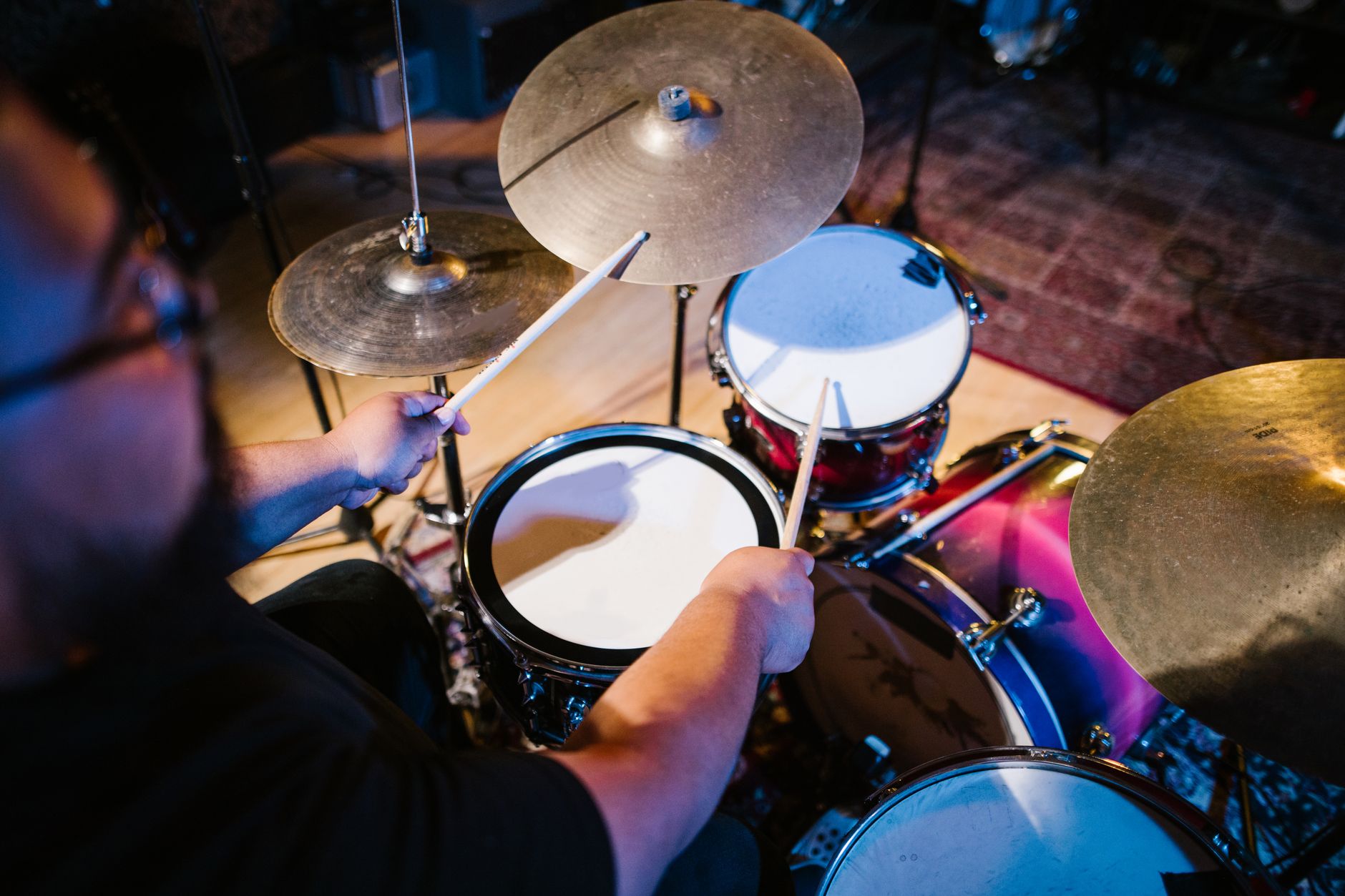
  • How to Record Live Drums in a Nairobi Studio: FAQ for Bands and Gospel Artists

    How to Record Live Drums in a Nairobi Studio: FAQ for Bands and Gospel Artists

    Live drums can lift a song in a way loops don’t always manage. You feel the push. You feel the breath. In Mugithi, Kikuyu gospel, benga, worship, Afro-fusion, even rap with a live feel, drums can make the track stand up properly.

    But drums can also expose everything.

    If the kit is badly tuned, the groove is rushing, the room is too live, or the drummer hasn’t rehearsed with the song, you’ll hear it. Not small small. Clearly. A weak drum recording can make the whole mix sound rough, even when the vocals are strong.

    So let’s talk plainly. If you’re searching for a drum studio near me, or wondering whether your song really needs live drums, these are the questions I’d ask you in the control room before we press record.

    Do I really need live drums, or can I use programmed drums?

    Use live drums when the song needs human movement.

    A real drummer brings small changes in touch, timing and energy. That’s useful for worship songs, Mugithi with live guitar, benga-style grooves, band music, and songs where the chorus needs to open up naturally. The drummer can listen to the singer and respond. That matters.

    Programmed drums work well when the song needs a tight, modern, repeatable pocket. Many pop, gengetone, Afrobeat and rap tracks sit nicely with programmed drums because the groove is locked and controlled.

    The mistake is forcing live drums into a song that doesn’t need them. Live drums are not automatically better. They’re just different. If the song wants space, don’t crowd it with fills. If the song wants drive, don’t leave it flat with a weak loop.

    Ask this: does the song need a drummer’s feel, or just a rhythm foundation?

    What should the drummer prepare before coming to studio?

    The drummer should know the song like a band member, not like someone guessing in the room.

    Before the session, agree on the structure. Intro, verse, chorus, bridge, ending. Everyone should know where the energy rises and where it relaxes. If the song has stops, breaks or call-and-response moments, mark them clearly.

    For Kikuyu gospel and Mugithi, this is important because many songs breathe with the vocals. The singer may delay a line. The guitarist may answer. The drummer needs to understand that movement before recording.

    Also decide the drum direction. Is it soft and supportive? Is it church service energy? Is it danceable? Is it a clean radio version with fewer fills? Don’t wait until the drummer is seated to start debating the identity of the song.

    A studio is not the best place to discover the arrangement from scratch. It can happen, yes, but it eats time and usually weakens confidence.

    Should we record drums before or after vocals?

    Most times, drums come early in the production.

    A good drum take gives the rest of the track a spine. Bass can lock to the kick. Guitar can sit with the snare. Vocals can ride the groove. If the drums are unsure, everything recorded after them feels unsure too.

    But there are songs where a guide vocal helps the drummer. Especially in gospel, acoustic Mugithi, or emotional songs where the drummer needs to follow the singer’s phrasing. In that case, we record a simple guide vocal and guide instrument first. Not final. Just enough for the drummer to feel the song.

    The final vocal usually comes after the rhythm bed is stable. A singer performs better when the groove is already carrying them.

    What is a click track, and must we use it?

    A click track is a timing guide in the headphones. It keeps the song steady.

    Do you always need it? Not always. But you need a timing plan.

    Some traditional-feel songs can breathe naturally without sounding wrong. A live worship song may push slightly as the energy rises. Some Mugithi grooves feel better when they are not too stiff.

    Still, if the song will have added guitars, keyboards, percussion, backing vocals or edits later, a click can save you stress. It makes the session cleaner. It helps the mix. It helps the producer arrange without fighting timing issues.

    The drummer should practise with a click before the session if the song needs one. Don’t make the first click experience happen inside the booth. That’s how panic enters the headphones.

    Why does drum tuning matter so much?

    Because microphones hear more than your ears in the room.

    A drum may sound acceptable when you’re standing next to it, but under close microphones, every ring, buzz and loose head becomes bigger. The snare may choke. The toms may sing in the wrong key. The kick may sound like a carton instead of a drum.

    Tuning is not decoration. It’s part of the recording tone.

    Before recording, the kit must be checked. Kick, snare, toms, cymbals, pedals, stands. If something rattles, it will probably appear in the take. If the snare wires are too loose, the backbeat loses focus. If cymbals are too harsh, they can dominate the whole recording.

    A good engineer can shape sound, but mixing cannot fully rescue a badly tuned kit played without control.

    What does the engineer listen for during drum recording?

    We listen for tone, balance, timing and feel.

    Tone means the drums sound right at the source. The kick has weight. The snare has character. The cymbals don’t tear your ears. The toms speak clearly.

    Balance means the drummer controls their own hands and feet. If the cymbals are too loud and the snare is too soft, the microphones will capture that problem. You can’t mix discipline into a performance after the fact.

    Timing means the groove is steady enough for the song. Not robotic, just reliable.

    Feel means the drums are serving the message. A sad worship song doesn’t need busy fills everywhere. A danceable Mugithi track needs movement, but not chaos. The drummer must play the song, not audition for attention.

    Can we fix drum mistakes by editing?

    Some mistakes can be edited. Not all should be.

    If the take has good feel with a small issue, editing may help. But if the groove is unstable throughout, editing becomes surgery. The more you cut, shift and repair drums, the more you risk losing the natural flow.

    Drums have microphone bleed. That means the snare is not only in the snare mic. It is also heard in other microphones around the kit. So when you move one hit, you may affect the whole picture.

    That’s why performance matters. It’s better to record a solid, musical take than to depend on repair work later.

    What should the rest of the band do during drum recording?

    Support the drummer.

    If possible, give the drummer a guide track that feels alive. Guitar, bass, keys or vocal can help. The guide doesn’t have to be perfect, but it must be clear and in time.

    Don’t crowd the room with opinions after every take. Too many voices can confuse the drummer. Choose who gives direction. Usually the producer, band leader or main artist speaks, then the drummer adjusts.

    Also, don’t change the arrangement every few minutes. If the drummer keeps learning new turns during recording, the performance becomes careful instead of confident.

    How do we keep live drums from making the mix muddy?

    Start with arrangement.

    Mud often comes when every instrument is fighting in the same space. Kick, bass guitar, low keyboard, rhythm guitar and deep vocals can all pile up. Live drums make that more obvious.

    The drummer should leave room for the bass. The bass should lock with the kick, not compete with it. Guitars should support the groove instead of strumming heavily all the way. In Mugithi and benga-influenced music, the guitar patterns are important, so the drums must create space for that movement.

    In mixing, we use EQ, compression and panning to shape the drum sound. Plainly, EQ removes or boosts certain tones, compression controls loud peaks, and panning spreads sounds left and right. But the cleanest mix begins with players listening to each other.

    What is the biggest mistake artists make with live drums?

    They treat drums as an add-on instead of a foundation.

    They finish a song with programmed drums, then decide late that live drums will make it “bigger”. Sometimes it works. Often, the live drummer is forced to fit into a track that wasn’t built for them.

    If you want live drums, plan for them early. Leave space. Think about the groove. Let the drummer influence the energy. That’s how you get a track that feels played, not patched together.

    Live drums are not about noise. They’re about movement, discipline and feel.

    If you’re planning a drum recording session, come with the song structure ready and we’ll help you shape the sound from there.

  • How Nairobi Singers Build Better Vocal Takes in the Studio

    How Nairobi Singers Build Better Vocal Takes in the Studio

    How Nairobi Singers Build Better Vocal Takes in the Studio

    A strong vocal recording doesn’t happen by accident.

    Most singers arrive with a melody, a phone demo, a beat, or a hook they’ve been carrying around for a while. The idea may already feel good in the bedroom, in the car, or during a late-night writing session. Then the studio changes the conversation.

    The microphone hears pitch, timing, breath, diction, emotion, confidence, and whether the song actually supports the voice.

    That exposure isn’t a problem. It’s part of the work.

    This guide looks at how singers can build better vocal takes in a Nairobi recording studio by treating the session as a performance, not just a place to “put vocals on a beat.”

    Start by turning the idea into a song map

    Many songs begin as voice notes.

    The singer has a chorus. Maybe a verse. The melody feels right, but the structure is still loose. The words may change slightly every time. The beat has a mood, but nobody has decided where the energy should rise, where the hook should breathe, or where the ad-libs should enter.

    Before recording, it helps to create a simple map of the song:

    – Where does the intro end?
    – Where does the lead vocal enter?
    – Is the hook sung the same way each time?
    – Which words must be understood clearly?
    – Where should the singer hold back?
    – Where should the vocal open up?

    This step can improve a session quickly. Not because the singer’s voice suddenly changes, but because the song becomes clearer.

    A clear song gives the singer better decisions to make. Instead of guessing through the take, they know what each section is supposed to do.

    For artists used to writing by free-styling melodies over beats, this matters. The vibe may already be strong, but the studio needs shape.

    Don’t make every line the biggest moment

    Many singers try to prove the song by pushing too hard.

    You hear it in the body before you hear it in the take. The shoulders rise. The neck tightens. The singer attacks every line as if every part of the song needs maximum energy.

    That can work for a short section. Across a full song, it becomes tiring.

    A better vocal performance has levels.

    Some lines need closeness. Some need air. Some need attitude. Some need softness. If every line is delivered at full force, the chorus has nowhere to go.

    A useful studio approach is to record with energy in mind:

    – Calm verse delivery
    – More open pre-hook delivery
    – Strong hook delivery
    – Softer doubles where needed
    – Controlled ad-libs after the main vocal is secure

    This gives the song movement. The singer stops fighting the beat and starts riding it.

    Soft doesn’t mean weak. Controlled doesn’t mean boring. Sometimes the line that feels most honest is the one sung with less pressure.

    Make pronunciation part of the performance

    In Kenyan music, pronunciation isn’t only about sounding “proper.” It’s about identity.

    A song may move between English, Swahili, Sheng, and a mother tongue. That mix can sound natural when the singer is relaxed, but it can become messy in the studio if consonants disappear or phrases are rushed.

    The goal is not to remove personality. The goal is to help the message land.

    A few practical checks help during recording:

    – Are the hook lyrics clear without reading them?
    – Are the emotional words being rushed?
    – Does the singer pronounce repeated phrases consistently?
    – Do language switches sound intentional?
    – Is the singer performing the lyric, or just copying the demo?

    Sometimes the best fix isn’t editing. It’s asking the artist to say the line like they mean it before singing it again.

    Once the intention is clear in speech, the sung take often improves.

    Treat breath as part of the take

    Many artists think breaths are mistakes.

    They’re not always mistakes. Breath can make a vocal feel human. It can show tension before a line, relief after a phrase, or urgency going into a hook.

    The problem is uncontrolled breath.

    If the singer runs out of air before the important word, the line loses power. If every breath is loud, the vocal can feel distracting. If breaths are removed carelessly, the take can sound unnatural.

    A good session pays attention to breathing before editing starts.

    The singer should know where to breathe, where to hold back, and where to leave space. This is especially useful for emotional songs, worship vocals, acoustic records, Afro-pop hooks, and rap-sung melodies where timing is tight.

    A simple habit helps: mark breath points in the lyrics before recording.

    It keeps the vocal relaxed and reduces the need to fix problems later.

    Use doubles to support the lead

    A lot of singers ask for doubles because they want the vocal to sound full.

    Doubles can help. But if the lead vocal is weak, doubles can also make the problem bigger. You end up with more voice, not more emotion.

    The lead vocal must carry the song first.

    After that, doubles can be used carefully:

    – Under the hook for weight
    – On selected phrases for emphasis
    – In the final chorus for lift
    – On call-and-response sections
    – Behind key emotional lines

    The mistake is doubling everything. When every line is stacked, nothing feels special. The listener doesn’t know where to focus.

    A better approach is to record a strong lead, then use doubles like seasoning. You feel the lift, but you still believe the main performance.

    Give ad-libs a job

    Ad-libs are not random decorations.

    In Nairobi sessions, artists often bring strong ad-lib instincts from live performance, church, freestyle culture, or listening to Afro-fusion and R&B records. That instinct is useful, but the studio needs control.

    Good ad-libs answer the main vocal. They don’t step on it.

    Before recording ad-libs, listen to the lead vocal and identify the empty spaces. Then decide the role of each ad-lib:

    – Is it adding excitement?
    – Is it answering a line?
    – Is it introducing the hook?
    – Is it creating atmosphere?
    – Is it repeating the song’s key phrase?

    If an ad-lib doesn’t help the listener feel the song more clearly, mute it.

    Good records often sound confident because unnecessary parts were removed.

    Use playback as information, not judgment

    Hearing yourself in the studio can feel uncomfortable.

    The voice sounds more exposed than it did on the phone. Small pitch issues stand out. Timing feels different. The microphone catches details the artist didn’t notice while singing.

    That moment matters.

    A useful session doesn’t shame the artist. It uses playback as information. The question is simple: what should the next take improve?

    Maybe the next take needs cleaner timing. Maybe the emotion was right, but the last word fell flat. Maybe the pronunciation was strong, but the hook needs more lift. Maybe the verse should be performed with less pressure.

    When the artist knows exactly what to fix, confidence returns. The next take becomes focused.

    Keep the singer connected to the song

    A producer or engineer can guide the session, but the singer must stay connected to the meaning of the song.

    If every decision comes from the control room, the artist may perform correctly but lose ownership. The take can become neat and empty.

    A better approach is conversation.

    Ask:

    – What is the song really saying?
    – Who are you singing to?
    – Which line matters most?
    – Should this part feel private or public?
    – Are you telling a story, pleading, celebrating, or warning?

    These questions change the performance. The singer stops chasing a perfect vocal and starts delivering a believable one.

    That’s usually where the record improves.

    ##Prepare before the session

    The singers who make the best progress usually arrive prepared.

    Not perfect. Prepared.

    Bring:

    – Finished lyrics, even if a few lines may change
    – A clear demo or voice note
    – The correct beat or instrumental
    – The song key if you know it
    – Reference songs for mood, not for copying
    – Water and enough rest
    – An open mind for retakes

    Also rehearse away from the studio. If you only discover the hard parts when the microphone is on, the session becomes slower and more stressful.

    The studio is not where you learn the whole song. It’s where you capture the best version of it.

    Better vocals come from intention

    A good vocal session is not only about hitting notes.

    It’s about breath, phrasing, diction, emotion, timing, doubles, ad-libs, and the confidence to listen back and adjust.

    That’s how singers build a recording voice. Not by copying another artist, and not by relying on studio tricks. They learn how to perform their own song with intention.

    If you’re planning a vocal session at Studio 56, come prepared to perform, listen, adjust, and perform again.

  • AI Music in Kenya: What Artists Need to Know Before Releasing a Song

    AI Music in Kenya: What Artists Need to Know Before Releasing a Song

    AI music is already in Nairobi.

    Not as a future thing. Not as a foreign debate. Right now, Kenyan artists are using AI to test hooks, write rough lyrics, create demo melodies, imagine new Gengetone pockets, and hear what a Mugithi chorus might feel like before booking studio time.

    That’s exciting.

    It’s also risky if you don’t understand the law, ownership, consent, and what actually makes a song release-ready.

    If you’ve been searching AI music Kenya, make a song with AI, is AI music legal in Kenya, recording studio near me, or how much does it cost to record a song in Kenya, this guide is for you.

    At Studio 56 KE, a professional recording studio Nairobi artists can book via WhatsApp on +254 726 447 096, we’re seeing more musicians walk in with AI demos. Some are clever. Some are rough. Some have a big idea hiding inside a plastic-sounding draft.

    That’s where the real work begins.

    AI should not replace your thinking. It should deepen it. Use it to sharpen your taste, test directions, break a creative block, and hear possibilities faster. But the artist’s judgement is still the point. The voice, the story, the pocket, the emotion, the final mix, that’s human work.

    Let’s answer the questions Kenyan artists are actually asking.

    Can I legally use AI music tools in Kenya?

    Short answer: yes, you can use AI music tools in Kenya, but you can’t use them to steal.

    There’s nothing automatically illegal about using AI to sketch a beat idea, brainstorm lyrics, test a melody, or create a rough demo. If you’re writing a Gengetone hook and you ask an AI tool for five possible chorus directions, that’s a creative workflow. If you use AI to imagine the mood of an Afrobeats track before you enter the booth, that’s a sketching tool.

    But Kenyan copyright law still matters.

    The Kenya Copyright Act protects original creative works. KECOBO, the Kenya Copyright Board, exists for copyright administration and enforcement. MCSK, the Music Copyright Society of Kenya, is part of the royalty and rights conversation for musicians. So if your “AI song” is actually a clone of someone else’s track, a copied chorus, a recreated beat, or an unauthorised remix, you’re not being clever. You’re creating a legal problem.

    Here’s the line: use AI to develop your own idea, not to reproduce another artist’s work without consent.

    If you want to remix, sample, interpolate, or rework someone else’s song, get written permission. Don’t rely on “but I changed it with AI.” That won’t magically clear the rights. If you’re unsure, speak to KECOBO, MCSK, or a qualified copyright lawyer before you release on Boomplay, Mdundo, Skiza tunes, YouTube, TikTok, Audiomack, or anywhere else.

    Elsewhere in the world, courts have made people pay serious attention to music rights. Robin Thicke and Pharrell Williams were found liable to Marvin Gaye’s estate in the “Blurred Lines” case, a warning about how copyright disputes can get heated around musical similarity (https://www.eff.org/deeplinks/2015/03/blurred-lines-copyright-verdict-bad-news-music). In RIAA v. Tenenbaum, a US court awarded 675,000 dollars, about 22,500 dollars per song, over music copyright infringement (http://arstechnica.com/tech-policy/news/2009/07/o-tenenbaum-riaa-wins-675000-or-22500-per-song.ars). A US jury also hit Cox Communications with a 1 billion dollar music copyright verdict (https://variety.com/2019/digital/news/cox-communications-music-copyright-suit-verdict-1203449254/).

    Those are foreign cases, not Kenyan cases. But the lesson travels well: music rights are taken seriously worldwide, and Kenya’s Copyright Act protects Kenyan artists too.

    There’s also balance. Ed Sheeran won his case over Marvin Gaye’s “Let’s Get It On” in 2023, showing that not every similarity is theft and courts can weigh musical evidence carefully (https://www.nytimes.com/2023/05/04/arts/music/ed-sheeran-marvin-gaye-copyright-trial-verdict.html). So don’t panic over every shared chord feeling. But don’t copy either.

    Use AI like a notebook, not like a shortcut into someone else’s catalogue.

    Which AI music tools actually work in Kenya, and what do they cost?

    Kenyan artists have more options than before.

    Google’s music and generative AI ecosystem is becoming more visible locally. Google’s MusicFX is built for music generation experiments (https://gemini.google/overview/music-generation/), and Google has also discussed creative tools like ImageFX and TextFX through Google Labs (https://blog.google/innovation-and-ai/products/google-labs-imagefx-textfx-generative-ai/). Gemini has a Kenya subscriptions page with pricing shown in KES, which matters because Kenyan users can check plans in local currency rather than guessing from foreign pricing pages (https://gemini.google/ke/subscriptions/?hl=en-GB). Google DeepMind’s Lyria is also part of Google’s music generation work (https://deepmind.google/models/lyria/).

    You’ll also hear Kenyan producers talk about tools like Suno and Udio. Some use them for quick song sketches. Others use them to test melody directions, reference arrangements, or generate rough ideas before rebuilding the track properly in a DAW.

    But cost is where you need to be careful.

    AI tool prices can change. Plans can vary by country, account type, and product access. So don’t trust a random screenshot from someone’s WhatsApp group. Check the official pricing page for the exact tool you want to use. For Gemini, Google already has a Kenya subscriptions page in KES, so start there if that’s the ecosystem you’re considering.

    For studio work, Studio 56 KE sessions start from Ksh 1,700/hr. That gives you a practical path: use AI at home to shape the rough idea, then come into a proper music studio Nairobi setup to record clean vocals, rebuild the beat if needed, mix, master, and prepare the song for release.

    If you’re searching free recording studio in Kenya, be honest with yourself. Free can be useful for a quick favour or a raw phone demo. But if you want something you can confidently upload to Boomplay, Mdundo, Skiza, or pitch to DJs and content creators, you’ll need proper recording and finishing.

    If you’re searching cheapest recording studio in Nairobi, don’t only ask, “What’s the lowest price?” Ask, “Will this sound good when played next to the artists I admire?”

    Cheap that wastes your song is expensive.

    How do I actually turn an AI idea into a real, release-ready song?

    This is the part many artists skip.

    AI can give you a spark. It can generate a demo that feels exciting at midnight in your bedroom. But a demo is not the same thing as a finished song.

    A release-ready track needs intention.

    Start with the idea. What’s the song about? Who is it for? Is it a club record, a heartbreak song, a gospel-inspired Afrobeats track, a Gengetone street anthem, a Kikuyu Benga update, or an Amapiano Kenya groove?

    Then check the hook. If people only remember one line, what should it be? AI can suggest lines, but you decide what sounds like you. Kenyan listeners can smell fake from far. If the Sheng is off, if the Kiswahili is stiff, if the Kikuyu phrase sounds pasted in, fix it before you record.

    Next, rebuild the arrangement. Many AI demos sound impressive for a few seconds but fall apart when you listen deeply. The drums may not hit right. The bass may be muddy. The chorus may not lift. The transitions may feel random. A producer can take the useful parts and shape them into a track that breathes.

    Then record real vocals. This is where a proper recording studio near me search becomes important. Your vocal is the emotional signature of the song. It needs the right mic, the right booth, the right performance direction, and an engineer who knows when to push you for one more take.

    At Studio 56 KE, we help artists bring raw ideas into the room and leave with something stronger. You can come with an AI demo, a voice note, a YouTube-type reference, a chorus idea, or just a concept. We’ll help you structure it, record it, clean it, and finish it.

    Mixing and mastering is not decoration.

    If you’re searching mixing and mastering Nairobi, you already understand that the final sound matters. Mixing balances your vocals, beat, effects, drums, ad-libs, and space. Mastering prepares the final track so it translates better across phones, cars, clubs, headphones, and streaming platforms.

    A song can have a brilliant idea and still fail because the mix is weak.

    So the smarter workflow is simple: use AI for pre-production, then use real ears and real engineering for the final product.

    AI can help you start. A studio helps you finish.

    Can AI help with Kenyan sounds like Gengetone, Mugithi, Benga and Afrobeats?

    Yes, but don’t let it flatten the culture.

    AI can help you sketch ideas for Gengetone, Mugithi, Kikuyu Benga, Afrobeats, and Amapiano Kenya. It can help you test tempos, moods, chord colours, lyric angles, and melodic ideas. If you’re stuck, it can push you into a direction you hadn’t considered.

    But Kenyan music is not just a list of genre labels.

    Gengetone has attitude. It has slang, humour, street timing, chant energy, and a certain rawness that doesn’t come from a prompt alone.

    Mugithi has motion. It carries guitar feel, storytelling, call-and-response energy, and a social warmth that makes sense in real gatherings, not just on a screen.

    Kikuyu Benga has touch. The groove, guitar language, vocal phrasing, and rhythmic confidence need musicianship.

    Afrobeats and Amapiano Kenya need pocket. The drums may look simple in a grid, but the feel is everything. If the log drum, percussion, bass, and vocal phrasing don’t sit right, the track won’t move people.

    That’s why AI should deepen your thinking, not replace it.

    A weak artist asks AI to do everything. A sharp artist asks better questions. What if the Mugithi guitar talks back to the chorus? What if the Gengetone hook is shorter and more repeatable? What if the Amapiano Kenya groove leaves more space for the vocal? What if the Benga influence is in the guitar phrasing, not a costume thrown on top?

    That’s taste.

    And taste is what separates a throwaway AI experiment from a song people replay.

    If you’re a Kenyan artist, don’t use AI to sound less Kenyan. Use it to explore your Kenyan-ness with more range. Bring your references, your language, your neighbourhood, your humour, your story, and your real voice into the process.

    The machine can suggest. You must choose.

    Who owns an AI-generated song, and is it legal to remix or rework someone else’s track with AI?

    Ownership is the question that can save you pain later.

    If you write original lyrics, create original melodies, record your own vocals, build original production, and use AI only as a tool in your process, you’re in a safer creative position. But AI platforms may have their own terms about what you can do with generated outputs, especially for commercial release. Read the terms before you upload the track to platforms.

    Don’t assume. Check.

    Also, keep records. Save your lyrics, project files, stems, voice notes, session dates, collaborator names, split sheets, and permissions. If someone later asks who contributed what, you don’t want to rely on memory.

    The bigger danger is unauthorised remixing.

    If you take another Kenyan artist’s song and use AI to change the voice, flip the beat, extend the chorus, generate a “new” version, or make a fake collaboration, that can still infringe rights. If you sample a Mugithi classic, rework a Benga guitar line, clone a Gengetone artist’s voice, or interpolate a chorus from someone else’s Afrobeats track, get consent.

    Written consent. Not vibes. Not a DM with fire emojis. Not “tuliongea.”

    You need proper permission or licensing from the rights holder. When unsure, consult KECOBO or MCSK before release. It’s better to delay a drop than to lose the song later, fight with collaborators, or damage your name.

    Here’s a quick checklist before you remix or release:

    • Get written consent for samples, remixes, interpolations, and reworks
    • Keep your stems and project files so your creative process is clear
    • Credit collaborators properly, including writers, producers, vocalists, and session musicians
    • Register and document your work through the right Kenyan channels, including MCSK and KECOBO where applicable
    • Read the AI tool terms before using generated material commercially
    • Book a studio to finish it, especially for vocals, mixing, mastering, and final quality control

    A clean release is not just about sound. It’s about ownership.

    If the song blows up on TikTok, gets picked for Skiza tunes, starts moving on Mdundo, or gets attention from DJs, that’s when messy paperwork becomes expensive emotionally, creatively, and legally.

    Handle it early.

    Your best protection is clarity. Who wrote what? Who produced what? Who owns the beat? Who cleared the sample? Who approved the remix? Who gets credited? Who gets paid?

    Those questions are not boring. They’re part of being a professional artist.

    AI music in Kenya is not the enemy. Lazy music is. Stolen music is. Hollow music is.

    Used well, AI can help a Nairobi artist move faster from idea to direction. It can help a producer test sounds before a session. It can help a songwriter break through a blank page. It can help a fan become a creator.

    But the final song still needs a human centre.

    Your voice. Your taste. Your story. Your people. Your paperwork.

    If you’ve got an AI demo, a raw hook, a voice note, or even a half-formed idea, bring it to Studio 56 KE. We’ll help turn it into a finished, properly-owned track with real recording, vocals, mixing, and mastering.

    Looking for a music studio near me, recording studio Nairobi, or mixing and mastering Nairobi?

    WhatsApp Studio 56 KE on +254 726 447 096 and book your session. Sessions start from Ksh 1,700/hr.

  • Why do Simpler Songs Win?

    Why do Simpler Songs Win?

    Real Talk Before Your First Studio Session: Too Much Creativity Can Kill a Song.

    If you’re about to book your first studio session in Nairobi, let me save you some money, stress, and unnecessary takes: the best song in your phone is probably not the one with the most ideas. It’s the one with the clearest idea.

    I’ve watched this happen in real sessions with Mugithi, Kikuyu Benga, Lingala, Hip Hop, and voice-over artists. An artist walks in with ten melodies, three bridges, stacked ad-libs, a rap verse, a guitar solo, and a “surprise” switch-up after every few bars. They think they’re showing range. Most times, they’re hiding the song.

    At Studio 56 KE, where we’ve recorded artists like Samidoh, Kuruga Wa Wanjiku, Wachuka Muchendu, and Waithaka Wa Jane, one lesson keeps repeating itself: simple doesn’t mean basic. Simple means the listener knows what to carry home.

    The Song That Travels Is Usually the Simple One

    A strong Kenyan song has to survive real life.

    It has to sound good on a phone speaker. It has to cut through matatu noise. It has to be easy enough for someone to send on WhatsApp without explaining it. It has to work at a wedding, in a kinyozi, in a club, at a ruracio, or on someone’s TikTok video with bad lighting and pure vibes.

    That’s why Mugithi and Benga are such powerful teachers. Listen to how many big Mugithi moments are built around a phrase people can answer back to. The guitar may be sweet, the performance may be full of character, the story may be deep, but the hook is usually very direct. You hear it once, and your mouth already knows what to do.

    Same with Kikuyu Benga. The groove can be rich, the musicianship can be serious, but the part that moves from person to person is often simple. Repetition. Call-and-response. A melody that doesn’t need a music degree.

    TikTok Mugithi and Benga trends are living proof. Kikuyu Benga videos, including Musaimo wa Njeri moments, Kambapiano, Kenya’s own Amapiano flavour, and Mugithi live event clips are trending in 2025/2026 because the hooks arrive fast. Nobody pauses TikTok to admire your complex second pre-chorus. They either feel it immediately, or they swipe.

    The Science Agrees: Popular Music Rewards Clarity

    This isn’t just producer superstition.

    A 2012 study published in Scientific Reports by Serrà and colleagues analysed over half a million popular songs from 1955 to 2010. The researchers found that chart music had become progressively more homogenous in pitch variety, timbral diversity, and loudness. In plain English, successful popular music has moved toward more consistent patterns, not endless complexity.

    Source: https://www.nature.com/articles/srep00521

    Now, that doesn’t mean every hit song sounds the same. It means listeners reward songs that are easy to process. The brain likes fluency. If a melody is easy to follow, if a rhythm is easy to enter, if a chorus lands where the body expects it, people relax into it. They sing sooner. They dance sooner. They remember sooner.

    That’s the simplicity argument.

    Not “make boring music.” Not “copy what’s trending.” The point is sharper than that: make the center of the song clear enough for people to grab.

    Simple Is Not Lazy, It’s Disciplined

    Some artists hear “keep it simple” and think the producer is trying to reduce their creativity. That’s not it.

    Lingala is not lazy. Amapiano Kenya is not lazy. Good Mugithi guitar work is not lazy. Benga rhythm sections are not lazy. These styles can have deep groove, layered percussion, clever bass movement, harmony, texture, and performance detail. But the melody sitting on top often feels natural. That’s the magic.

    The richness is underneath. The clarity is on top.

    A Lingala-style arrangement can have beautiful rhythmic movement, but the vocal phrase still needs to be something people can hold. An Amapiano log drum can make the whole room move, but if your chorus is fighting the groove, you’ve lost. A Mugithi track can have great guitar licks and live energy, but if the main phrase isn’t memorable, the song won’t travel the way it should.

    The mistake many artists and producers make in music production is letting the richness contaminate the clarity. They add a harmony that competes with the hook. They add a counter-melody that distracts from the chorus. They keep changing the rhythm to “make it interesting” until the listener has nowhere to stand.

    Creativity should support the song. It shouldn’t bully it.

    Where Complexity Actually Works

    There’s a place for cleverness. I’m not telling you to remove all personality from your music. That would be terrible advice.

    Complexity works best when the listener already trusts the song. Give them a clear hook first. Give them a groove they understand. Give them a chorus they can predict. Then, one clever move will hit harder.

    Maybe it’s one lyric twist in the second verse. Maybe it’s an unexpected chord in the final chorus. Maybe it’s a small production detail in the mixing that someone notices after replaying the song. Maybe it’s a backing vocal response that comes in late and makes the whole thing lift.

    That kind of detail rewards repeat listening because it doesn’t fight the main idea. It sits behind it like seasoning.

    In the studio, this matters. If you’re searching for a music studio near me or recording studio near me because you’re ready to record, understand this before you walk in: studio time is not magic dust. A good recording studio Nairobi setup can capture you well, guide your performance, shape your sound, help with mixing and mastering, and bring polish. But if the song has no center, polish just makes the confusion louder.

    Before You Book a Studio Session in Nairobi, Do This

    If you’re preparing for your first studio sessions at a music studio Nairobi artists trust, come in with a defined song. The studio is for capturing and refining, not discovering the whole song from zero while the clock is running.

    Here’s the practical checklist I’d give any upcoming artist before booking:

    1. Start with the hook alone. Sing it with no beat, no guitar, no effects. Can someone hum it after one listen? If not, simplify it before you record.
    2. Add back only what serves the hook. That extra ad-lib, harmony, guitar line, rap response, or drum fill must earn its place. If it makes the chorus less clear, remove it.
    3. Test the song on non-musicians. Don’t only play it for producers and friends who want to sound deep. Play it for someone who’ll tell you, “Hiyo chorus imeshika,” or “Sijashika bado.”
    4. Think about where the song will live. Your track won’t only be heard through studio monitors. It’ll play on a phone speaker, in a matatu, at a wedding, on TikTok, and inside noisy Nairobi life. Simple songs survive that journey.
    5. Come to the recording session with the song already defined. Know your key, your structure, your hook, your lyrics, and your emotional direction. We can refine the sound, tighten the delivery, and build the arrangement, but the song needs a backbone.

    That’s the real difference between an artist who burns hours and an artist who gets results.

    If you’re making Mugithi, Lingala, Benga, Hip Hop, Amapiano Kenya, or modern Kikuyu music, don’t confuse “more” with “better.” The listener doesn’t need every idea you have. They need the right one, delivered clearly.

    Book a session with us at Studio 56 KE and let’s shape the song properly.

    WhatsApp: Muriithi WaQuail

    https://wa.me/254726447094?text=Hello%20Studio%2056%2C%20I%20want%20to%20book%20a%20sessio

  • 5 Things to Prepare Before Your First Studio Session

    5 Things to Prepare Before Your First Studio Session

    Walking into the studio unprepared is the fastest way to burn both your money and your session. We see it every week. An artist books a three hour slot, spends forty minutes deciding on lyrics, another twenty warming up a voice they haven’t touched since the night before, then rushes the last hour trying to save a vocal that started tired two takes ago.

    This guide covers what every artist should do in the day or two before stepping into Studio 56 KE. None of it requires money. Most of it takes under an hour the night before. All of it pays off in a cleaner final track.

    1. Know your song cold

    By “cold” I don’t mean you can mumble through it while distracted. I mean you can rap or sing your song over a random beat at the matatu stage without breaking a sweat. Most artists think they know their song because they’ve heard it back a hundred times. Knowing it and performing it are different things.

    The night before:

    • Record yourself on your phone running the full song twice. Listen back without flinching.
    • Mark the lines where you hesitate. Those are the ones that will eat up studio time.
    • Print your lyrics in a large font. If you forget a line mid take, you don’t want to be squinting at a phone.

    If a section isn’t working, change it now, not in the booth. Re-writing lyrics on the engineer’s clock is expensive.

    2. Pick two or three reference tracks

    A reference track is a song you want your finished record to sound like, roughly. Not in melody or lyric. In feel: the vocal weight, the low end, the space around the drums, the overall loudness.

    Bring two or three. Put them in a folder on your phone. Share them with your engineer at the start of the session. “I want vocals sitting like this” is a hundred times faster than “I don’t know, just make it hit.”

    Practical examples, by the genres we record most:

    • Kikuyu benga or mugithi: Samidoh, John De’Mathew, Mike Rua, Gatutura, Waithaka wa Jane. Listen to how the lead guitar sits up front, the bass is tight not boomy, and the vocal is close-mic’d with just enough room behind it.
    • Kikuyu gospel: Sammy Irungu, Ben Githae, Ruth Wamuyu, Muriithi wa Kirigo, Phyllis Mbuthia. Clean vocal, controlled dynamics, backing choir panned wide but never drowning the lead. The low end stays out of the way.
    • Lingala or soukous: Koffi Olomide, Fally Ipupa, Awilo Longomba, Papa Wemba, Werrason. Bright guitars, punchy drums, layered backing vocals that feel stacked but lived in.
    • Broader benga: D.O. 7 (Daniel Owino Misiani), Queen Jane, Osogo Winyo. Warm but never muddy. The bass and rhythm guitar carry the groove; the vocal rides just above.

    Don’t pick a Nashville country record as a reference if you’re cutting mugithi. The engineer can’t bend the laws of physics.

    3. Warm up the night before, not five minutes before

    Your voice is a muscle group. You wouldn’t do squats without warming up and you shouldn’t cut vocals without warming up either.

    The simplest routine:

    1. Hum a siren up and down through your full range for five minutes.
    2. Do lip trills (the motorbike sound) for another three.
    3. Gently sing your song’s hardest passage three times at half volume.

    Do that the night before plus again an hour before you arrive. You’ll be clear, your pitch will land, and you won’t blow out on take four.

    Also: no alcohol, no dairy, no iced sugary drinks the day of the session. Warm water with lemon and honey is what actually helps. Zero cost, works every time.

    4. Bring your files ready

    If your beat came from a producer, bring it as a WAV file, not an MP3. MP3 sounds fine to your ear on headphones but loses detail that matters in mixing. If your producer only has an MP3, go back and ask for the WAV. If they can’t provide it, that’s a red flag.

    File checklist:

    • WAV or AIFF, 24 bit if possible, 44.1 kHz or 48 kHz sample rate.
    • If you have stems (separate instrument tracks), bring those too. The engineer can balance things way better with stems.
    • Send the files to the engineer a day before, not during the session. Google Drive, Dropbox, WeTransfer. Don’t try to AirDrop at the console.

    If you’re unsure what format you have, send what you have to the engineer the evening before so they can tell you if anything’s missing. Most pro studios accept WAV and AIFF without conversion headaches (Studio 56 included; we run Cubase and Adobe Audition).

    5. What to actually bring to a session

    Forget the generic “studio bag” lists from blogs that don’t record in Nairobi. This is the real list, and it applies to any studio you book.

    • Water. Room temperature, not ice cold. Cold water tightens vocal cords. Bring a bottle or confirm the studio provides it before you arrive.
    • Phone charger. Your phone is your lyric sheet, reference library, and feedback recorder. It can’t die on you mid-session. Ask if the studio has chargers for your phone type; carry your own cable as a backup.
    • Studio-grade headphones (optional). Most pro studios supply their own. The industry standard is Sennheiser HD 280 Pro: closed-back, good isolation, honest frequency response, comfortable across a three hour cut. If you’ve spent months mixing in a specific pair at home, bring those for familiarity.
    • Lozenges that aren’t menthol-based. Menthol numbs the throat, which feels nice but dries you out. Strepsils Original or Honitus suit most voices.
    • A light snack. You’ll be there three hours. Hunger affects performance. Skip anything heavy or dairy-based; a banana or a granola bar works.
    • Your phone, already charged, with your lyrics and reference tracks in a folder ready to go.

    What you don’t need: a crew. One person to give honest feedback is gold. Five people hyping every take is noise. Leave the rest of the group outside.

    Recording with Studio 56? You can walk in with just your phone and your voice. We keep room-temperature bottled water on every session, have iPhone and Android chargers plugged in and ready, and use Sennheiser HD 280 Pro headphones as our standard monitoring. All you really need to pack is your lozenges, a snack, and your lyrics on your phone.

    What happens if you skip all this

    Honestly, you still get a song. But you’ll spend a good chunk of your slot on problems that had nothing to do with the actual art. That’s money and energy you could’ve put into an extra take of the chorus, or a second song entirely.

    The artists who come in prepared finish early and leave with a better record. Every single time.

    Ready to put this to use? Book your next session here.

    💬 Questions? Chat with us on WhatsApp.

    Got a song idea, want to check availability, or just want the short version of this article? Drop us a message. Replies usually inside the hour during working hours.

    Chat with Studio 56 →

AVAILABLE